Exploring the Impact of Emerging Tech on Cultural Preservation
Mi
Understanding Cultural Preservation
Cultural preservation involves maintaining and promoting the cultural heritage, values, and practices of communities. This process ensures that future generations inherit the rich traditions, languages, and histories that define their identities. However, in a rapidly evolving world, preserving culture has become increasingly challenging. This is where emerging technologies come into play.
Technological advancements offer innovative ways to document, share, and sustain cultural heritage. From digital archiving to virtual reality experiences, these tools are transforming how we engage with the past. But how exactly does this work, and what impact does it have?
The Role of Digital Archiving
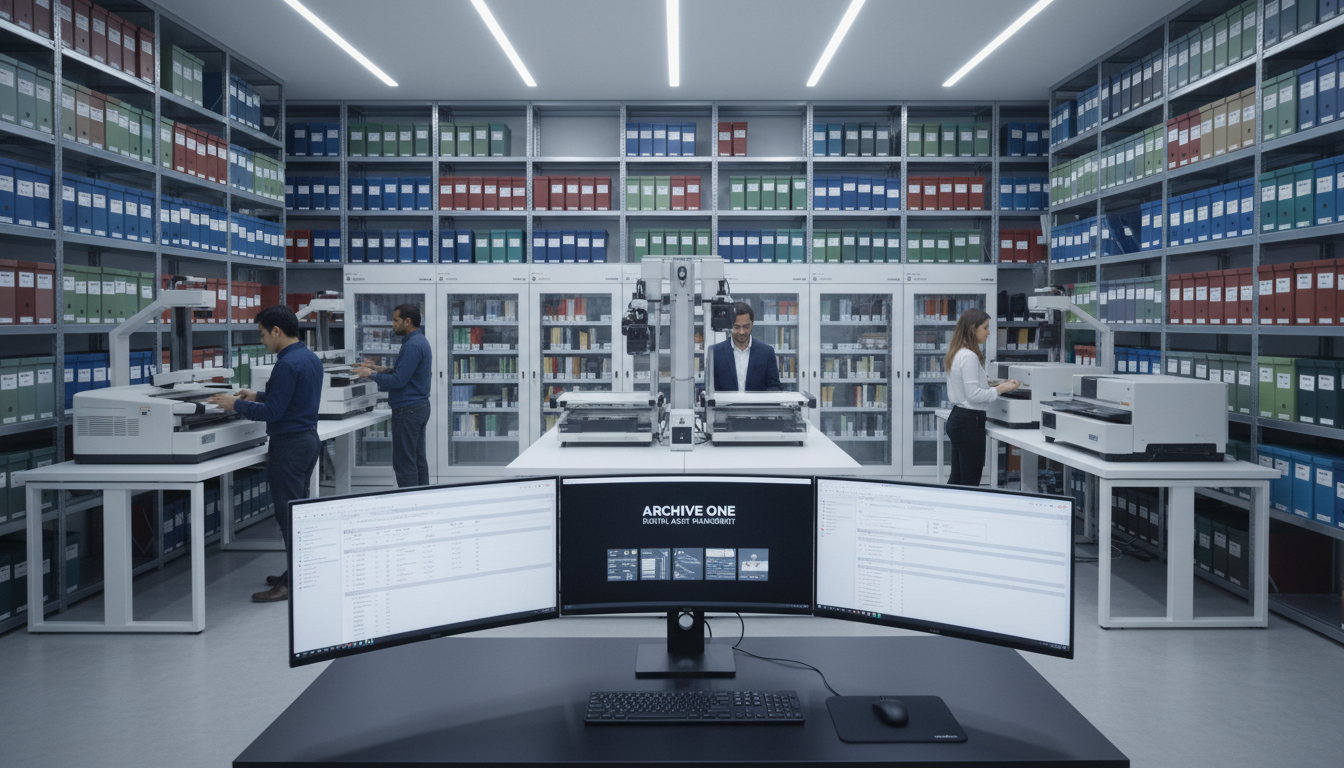
Digital archiving is at the forefront of cultural preservation efforts. By converting physical documents, photographs, and artifacts into digital formats, we can ensure their longevity and accessibility. This method not only protects items from physical deterioration but also makes them available to a global audience.
Institutions around the world are investing in digital archiving projects. Libraries, museums, and cultural organizations are working tirelessly to create extensive digital repositories that safeguard our collective history. This democratization of information allows people from diverse backgrounds to explore and appreciate different cultures.
Challenges and Opportunities
While digital archiving offers numerous benefits, it also presents challenges. Issues such as data privacy, copyright, and the digital divide need to be addressed to ensure equitable access. Moreover, the authenticity and integrity of digital content must be maintained to preserve its cultural value.

Immersive Technologies and Cultural Experiences
Virtual reality (VR) and augmented reality (AR) technologies are revolutionizing how we experience culture. These immersive tools allow users to explore historical sites, participate in traditional ceremonies, and engage with cultural narratives in a deeply personal way. By creating a sense of presence, VR and AR make cultural experiences more relatable and impactful.
For instance, virtual museums and heritage sites can transport users to ancient civilizations, offering insights into their daily lives and societal structures. This interactive form of learning fosters a greater understanding and appreciation of cultural diversity.
Preserving Languages Through Technology
Emerging technologies are also playing a crucial role in language preservation. Many indigenous and minority languages are at risk of extinction. Language apps, online courses, and digital recordings are being used to document and teach these languages to new generations.

Efforts to preserve languages are vital for maintaining the cultural identity of communities. By leveraging technology, we can ensure that these languages continue to thrive, promoting linguistic diversity and cultural richness.
The Future of Cultural Preservation
The integration of emerging technologies into cultural preservation is still in its early stages. However, the potential is vast. As technology continues to advance, we can expect even more innovative solutions to emerge, ensuring that cultural heritage is accessible, engaging, and preserved for future generations.
By embracing these tools, we can create a more inclusive and interconnected world, where cultural heritage is not only preserved but celebrated across borders.