Exploring the Impact of Emerging Technology on Preserving Heritage
Mi
The Role of Technology in Heritage Preservation
As technology continues to advance, it plays an increasingly vital role in preserving cultural heritage. From ancient artifacts to historical sites, emerging technologies offer innovative solutions to protect and maintain our global heritage for future generations. By leveraging these tools, we can ensure that the stories and legacies of the past remain accessible and relevant.

Digitization and 3D Scanning
One of the most significant advancements in heritage preservation is digitization. By converting physical objects and documents into digital formats, institutions can preserve delicate materials without exposing them to further degradation. 3D scanning, in particular, allows for the creation of detailed models of artifacts and sites. These models can be used for research, education, and even virtual tourism.
Moreover, 3D scanning can capture the minute details of an artifact, helping researchers study its features without physical contact. This is especially important for fragile items that might not withstand handling.
Augmented and Virtual Reality
Augmented Reality (AR) and Virtual Reality (VR) technologies are transforming the way we experience history. These tools create immersive environments that allow individuals to explore historical sites and artifacts in a virtual space. By simulating real-world scenarios, AR and VR make learning about history both engaging and interactive.
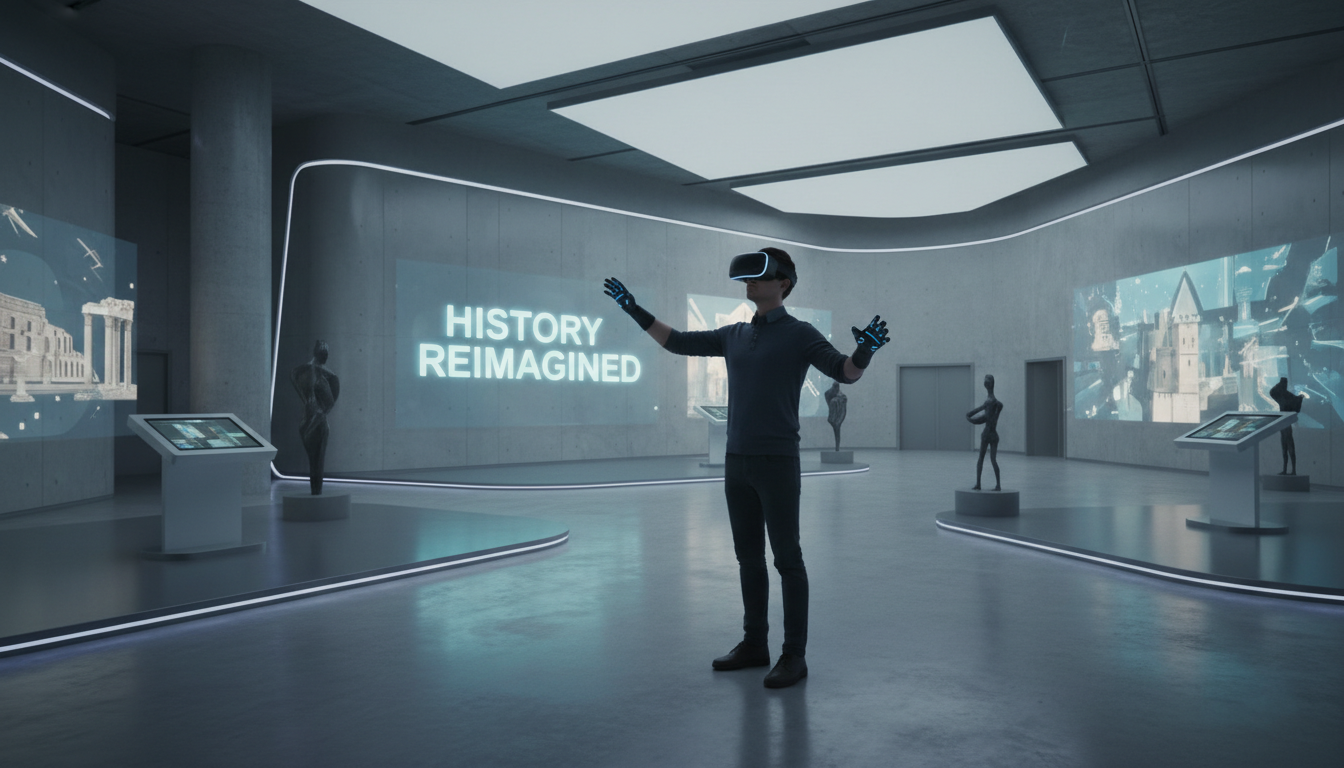
For instance, VR can recreate lost or inaccessible heritage sites, offering a glimpse into worlds that might otherwise be out of reach. This not only enhances education but also promotes global appreciation for diverse cultures.
Artificial Intelligence and Machine Learning
Artificial Intelligence (AI) and Machine Learning (ML) are becoming indispensable in analyzing vast amounts of historical data. These technologies can identify patterns and connections that may not be immediately evident to human researchers. AI can also assist in the restoration of damaged artifacts by predicting their original appearance based on existing data.
Additionally, AI-driven tools can help in translating ancient languages and scripts, unlocking insights from texts that have remained undeciphered for centuries.
Benefits and Challenges
The integration of emerging technologies in heritage preservation offers numerous benefits, including increased accessibility, enhanced research capabilities, and improved conservation methods. However, these technologies also present challenges, such as the need for substantial financial investment and the potential for digital obsolescence.
- Ensuring long-term data storage and accessibility poses significant concerns.
- Balancing technological advancements with traditional preservation techniques is essential.
The Future of Heritage Preservation
Looking ahead, the fusion of technology and heritage preservation promises exciting possibilities. As technology continues to evolve, it will likely unveil new methods to protect and celebrate our shared history. Collaborative efforts between technologists, historians, and cultural institutions will be crucial in harnessing these innovations effectively.
Ultimately, the goal is to create a sustainable future where cultural heritage is preserved and cherished, bridging the past with the present and future.