How Emerging Tech is Preserving Our Collective Heritage
Mi
The Role of Technology in Heritage Preservation
In today's rapidly advancing world, technology is playing an increasingly vital role in preserving our collective heritage. From ancient artifacts to traditional practices, emerging tech is offering innovative solutions to protect and share our rich cultural histories. This fusion of technology and heritage is not only safeguarding the past but also making it more accessible for future generations.
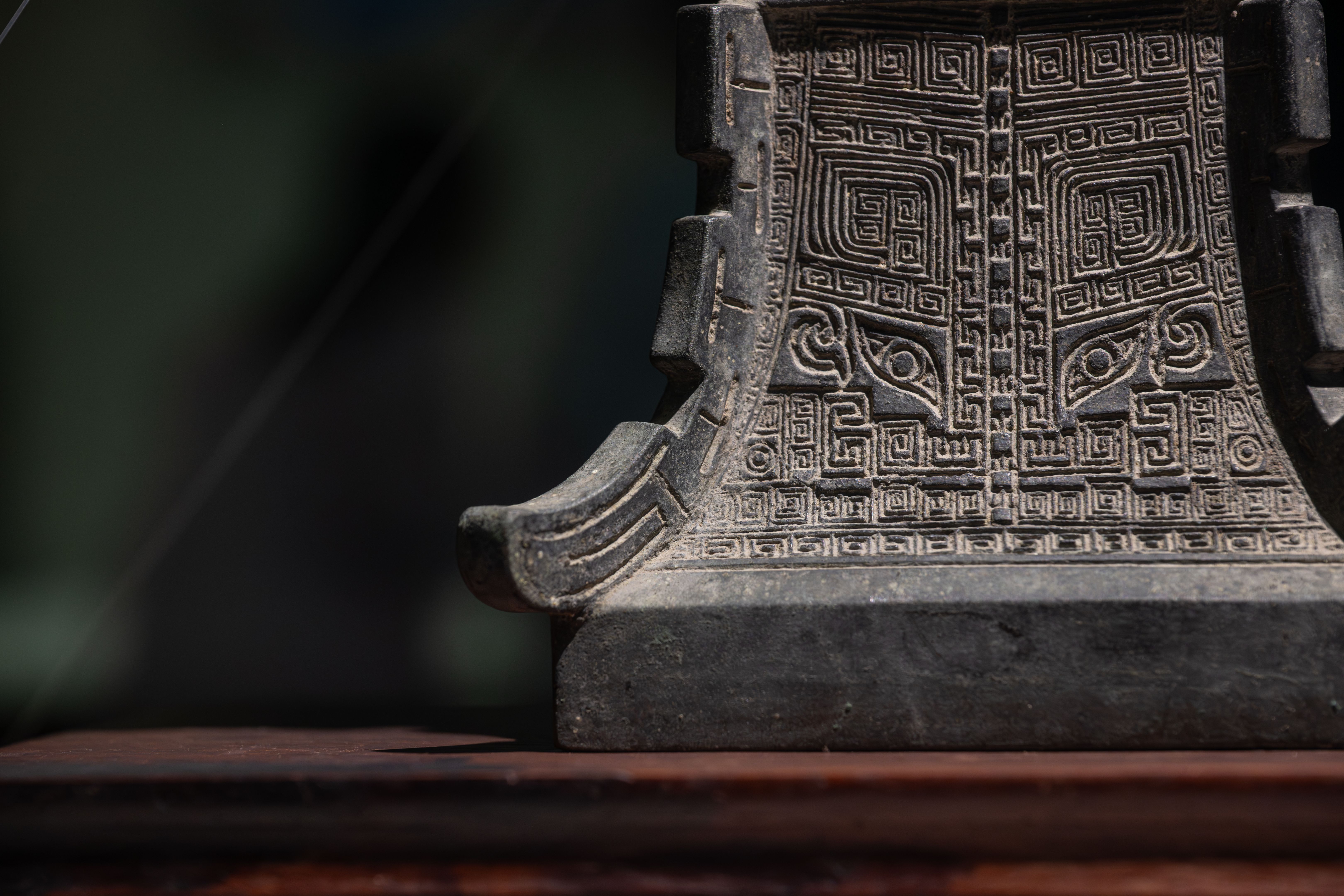
3D Scanning and Printing
One of the most exciting developments is the use of 3D scanning and printing. These technologies allow for the creation of accurate replicas of historical artifacts, providing museums and educational institutions the ability to share these treasures without risking damage to the originals. Organizations are using these replicas to conduct research and create interactive exhibits that engage audiences worldwide.
3D printing also plays a crucial role in restoration efforts. It enables conservators to produce missing pieces of artifacts with precision, ensuring that the integrity of the original is maintained. This process not only preserves the artifact but also provides new insights into ancient craftsmanship and design techniques.
Virtual and Augmented Reality
Virtual Reality (VR) and Augmented Reality (AR) are revolutionizing the way people experience historical sites. Through VR, users can take virtual tours of distant locations, such as ancient ruins or historical landmarks, from the comfort of their own homes. This accessibility is invaluable for educational purposes, allowing students to explore and interact with historical sites in an immersive way.

AR, on the other hand, enhances real-world experiences by overlaying digital information onto physical environments. Visitors to museums and historical sites can use their smartphones or tablets to receive detailed information about exhibits, view reconstructions of ancient sites, and even see how historical figures might have lived and interacted in those spaces.
Digital Archives and Blockchain Technology
Digital archives are another critical tool in preserving cultural heritage. By digitizing documents, photographs, and other historical records, institutions ensure that these materials are protected from physical deterioration. Digital archives also make it easier for researchers and the public to access a wealth of information that would otherwise be restricted due to geographical or physical limitations.
Blockchain technology is also emerging as a means to authenticate and protect digital records. By creating a tamper-proof digital ledger, blockchain ensures the integrity and authenticity of digital archives, providing an additional layer of security and trust in the preservation process.

The Future of Heritage Preservation
As technology continues to evolve, so too will its applications in heritage preservation. New advancements in AI and machine learning hold the potential to analyze vast amounts of historical data, uncovering new insights and connections that were previously beyond our reach. These technologies promise to enhance our understanding of history and enable us to share our collective stories more effectively.
The integration of emerging tech in heritage preservation is a testament to human ingenuity. By harnessing these tools, we are not only protecting our past but also enriching our present and future by making history accessible, engaging, and relevant to all.