The Role of Emerging Tech in Preserving Cultural Heritage
Mi
Introduction to Emerging Tech in Cultural Preservation
In a rapidly evolving digital world, the preservation of cultural heritage has found a vital ally in emerging technologies. These innovations are reshaping how we document, share, and protect our cultural legacies. By leveraging modern tech, we can ensure that future generations have access to the rich tapestry of human history.
From 3D scanning to virtual reality, cutting-edge tools are making it easier to preserve artifacts and traditions that define our past. These technologies not only enhance our understanding but also make cultural heritage more accessible to a global audience.

3D Scanning and Printing
One of the most significant advancements in cultural preservation is the use of 3D scanning and printing. This technology allows for the detailed capture of artifacts, making it possible to create accurate replicas. Museums and cultural institutions have embraced this technology to safeguard original pieces while providing interactive experiences for visitors.
3D scanning helps in documenting intricate details, ensuring that even the smallest features are preserved digitally. This digital backup can be invaluable in restoring artifacts that may suffer damage over time.
Benefits of 3D Technology
The benefits of 3D technology in cultural preservation are numerous:
- Creating exact replicas for educational purposes
- Facilitating international exhibitions without risking original artifacts
- Providing access to remote or underserved communities
Virtual and Augmented Reality
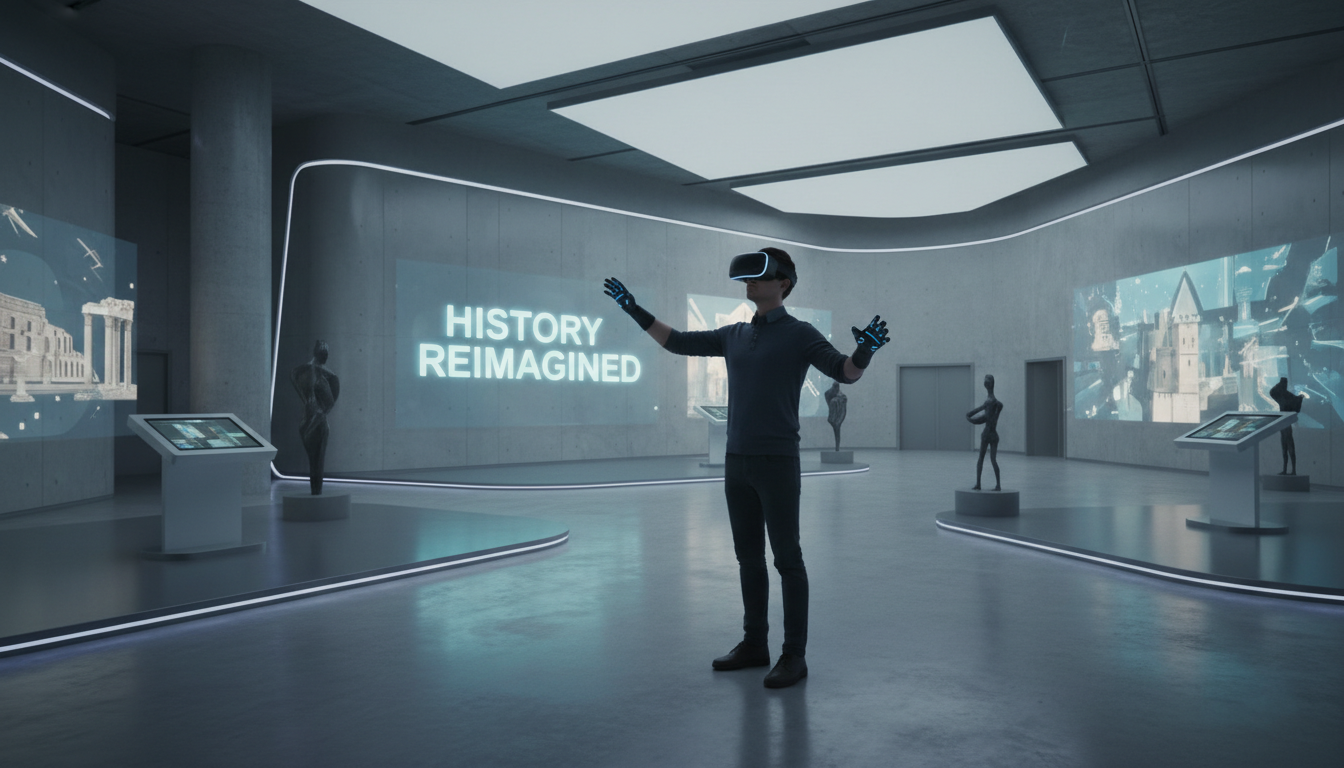
Virtual Reality (VR) and Augmented Reality (AR) are transforming how people experience cultural sites. These immersive technologies allow users to explore historical locations and artifacts as if they were physically present, breaking down geographical barriers.
By using VR and AR, educators and historians can offer interactive lessons that engage and inspire learners. These experiences can be tailored to suit different audiences, ensuring a personalized journey through history.
Interactive Learning and Engagement
VR and AR are powerful tools for education and engagement. They allow users to:
- Participate in virtual tours of historical sites
- Interact with digital reconstructions of ancient artifacts
- Engage with cultural narratives in a more profound way
Digital Archives and Databases
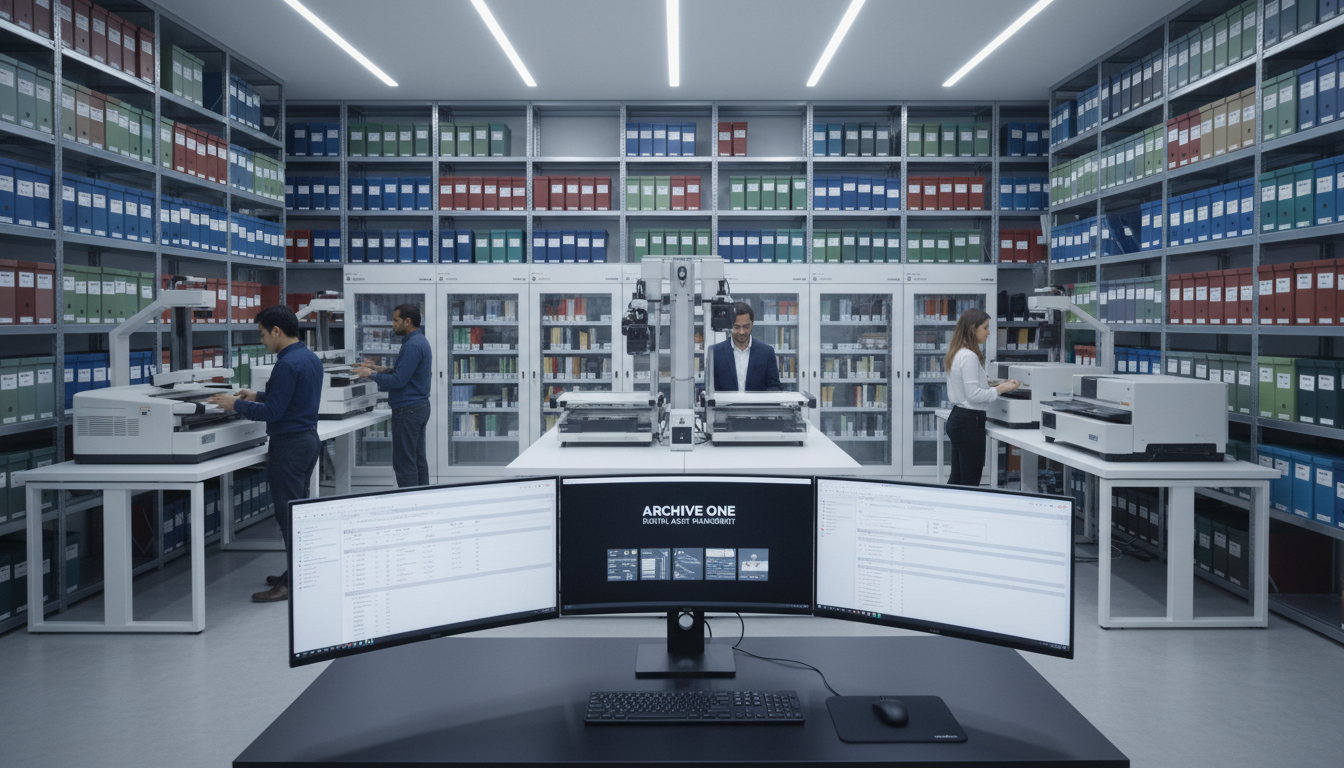
The creation of digital archives has revolutionized the way we store and access cultural information. By digitizing documents, photographs, and audio recordings, institutions can preserve fragile items and make them available online.
These digital collections serve as a vital resource for researchers, educators, and the general public. They provide a centralized platform where cultural heritage can be explored and studied in depth.
Preservation and Accessibility
Digital archives offer several key advantages:
- Long-term preservation of delicate materials
- Global accessibility, breaking down geographical barriers
- Enhanced collaboration among scholars and cultural institutions
The Role of Artificial Intelligence
Artificial Intelligence (AI) is playing an increasingly important role in cultural preservation. Through machine learning algorithms, AI can analyze vast amounts of data, uncovering patterns and insights that may go unnoticed by human researchers.
AI is also being used to restore damaged artifacts, reconstruct missing pieces, and even translate ancient texts. This powerful technology is opening new avenues for preserving our cultural heritage.
In conclusion, emerging technologies offer exciting possibilities for the preservation of cultural heritage. As we continue to innovate, these tools will help ensure that our shared history is protected and celebrated for generations to come.